Business Waste Legal Responsibilities UK – What Every Business Needs to Know
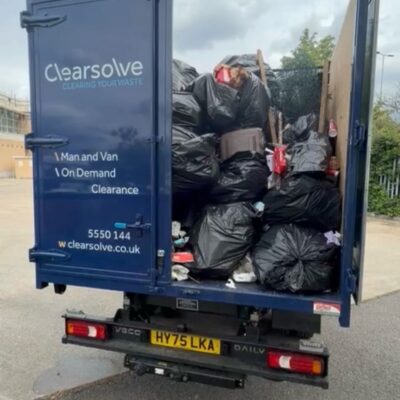
Every business in the UK has a legal responsibility to manage and dispose of its waste correctly. Whether you run a small office, retail shop, warehouse, restaurant or large commercial site, failing to comply with waste legislation can lead to fines, prosecution and reputational damage.
Understanding your legal responsibilities around business waste is essential for staying compliant, protecting the environment and ensuring waste is handled safely.
At Clearsolve, we help businesses across the UK manage commercial waste responsibly with professional waste clearance and collection services tailored to their needs.
What Is Business Waste?
Business waste, also known as commercial waste, is any waste generated from commercial activities.
This can include:
- General office waste
- Packaging and cardboard
- Food waste
- Electrical waste (WEEE)
- Construction and refurbishment waste
- Furniture and fixtures
- Retail waste
- Hazardous waste
If waste comes from a business activity, it is legally classified as commercial waste and must be disposed of correctly.
What Are a Business’s Legal Responsibilities for Waste?
Under UK law, businesses have a legal “Duty of Care” when handling waste.
This means businesses must take reasonable steps to ensure their waste is stored, transported and disposed of safely and legally. (gov.uk)
Your responsibilities include:
- Storing waste securely
- Preventing waste from escaping or causing pollution
- Using authorised waste carriers
- Keeping waste transfer documentation
- Ensuring waste is disposed of legally
- Separating certain waste streams where required
Businesses remain responsible for their waste even after it leaves their premises.
Using Licensed Waste Carriers
One of the most important legal responsibilities is ensuring waste is removed by a licensed waste carrier.
Using unlicensed operators can result in:
- Fly tipping liability
- Fines and prosecution
- Environmental damage
- Reputational harm
You can check whether a waste carrier is licensed via the Environment Agency public register. (environment.data.gov.uk)
At Clearsolve, we are fully licensed and insured waste carriers, giving businesses confidence that waste is handled responsibly.
Waste Transfer Notes Explained
Whenever commercial waste is transferred from one business to another, a Waste Transfer Note (WTN) is usually required.
Waste Transfer Notes record:
- What the waste is
- How much waste is being transferred
- Who transferred the waste
- Who collected the waste
- Where the waste is going
Businesses must normally keep Waste Transfer Notes for at least two years. (gov.uk)
Separating Recycling and Waste Streams
Businesses are increasingly expected to separate recyclable materials from general waste.
This may include:
- Cardboard and paper
- Plastic
- Glass
- Food waste
- Metal
- Electrical waste
Separating waste correctly helps businesses:
- Improve recycling rates
- Reduce landfill waste
- Support sustainability goals
- Potentially reduce waste costs
New environmental legislation and recycling reforms are also placing greater emphasis on waste segregation and recycling compliance across UK businesses.
Hazardous Waste Responsibilities
Certain waste types are classified as hazardous and require specialist handling and disposal.
Examples include:
- Chemicals
- Paints and solvents
- Batteries
- Fluorescent tubes
- Asbestos
- Clinical waste
- Some electrical items
Hazardous waste must only be handled by authorised providers and may require additional documentation and compliance procedures.
Penalties for Non-Compliance
Failing to comply with business waste legislation can lead to serious consequences.
Potential penalties include:
- Fixed penalty notices
- Unlimited fines
- Criminal prosecution
- Damage to business reputation
- Investigation by environmental authorities
Fly tipping and illegal waste disposal are taken seriously by regulators and local authorities across the UK.
How Professional Waste Clearance Companies Help
Professional waste clearance providers help businesses remain compliant while saving time and reducing operational pressures.
At Clearsolve, we provide:
- Commercial waste clearance
- Office clearances
- Retail and shop clearances
- End of tenancy clearances
- Commercial lettings clearances
- Refurbishment waste removal
- Man and van waste collection services
Our experienced teams handle loading, transport and responsible disposal, helping businesses manage waste legally and efficiently.
Why Businesses Choose Clearsolve
Businesses across the UK trust Clearsolve because we offer:
- Fully licensed waste clearance services
- Flexible collection times
- Fast response times
- Professional clearance teams
- Responsible waste disposal
- Nationwide commercial waste support
Whether you need a one-off collection or ongoing commercial waste support, Clearsolve can provide a tailored solution.
Frequently Asked Questions About Business Waste Responsibilities
Is business waste different from household waste?
Yes. Waste generated through commercial activities is legally classified as business waste and must be managed according to commercial waste regulations.
Do small businesses need a waste contract?
Most businesses producing waste require appropriate arrangements for legal waste disposal, whether through scheduled collections or professional clearance services.
Can I take business waste to the local tip?
Many household recycling centres do not accept commercial waste, or they may require permits and charges. Businesses should check local authority rules before transporting waste themselves.
What happens if my waste is fly tipped?
If your waste is traced back to your business and you did not take reasonable steps to ensure legal disposal, you may still be held responsible.
How long should I keep Waste Transfer Notes?
Businesses are generally required to keep Waste Transfer Notes for at least two years. Hazardous waste documentation may need to be kept longer.
What is WEEE waste?
WEEE stands for Waste Electrical and Electronic Equipment. This includes items such as computers, printers, monitors and electrical appliances which require specialist disposal.
Do businesses have to recycle?
Businesses have legal responsibilities around waste management and may be required to separate recyclable materials depending on the type of waste produced and local regulations.
Can Clearsolve provide commercial waste clearance nationwide?
Yes. Clearsolve provides commercial waste clearance services for businesses across the UK.
Need Help Managing Business Waste Legally?
If your business needs reliable and fully compliant waste clearance services, Clearsolve is here to help.
From office clearances to commercial property waste removal, our experienced team provides fast and professional support throughout the UK.
Contact Clearsolve today for a free quote.
Locations - areas we cover
Clearsolve operate throughout London, Berkshire, Hampshire, Hertfordshire, Buckinghamshire, Bedfordshire and Surrey.
If you need us to go somewhere else, we are flexible, so please get in touch.